
-
 African Oryx Research CenterNatalie Whitehead
 -
 African Oryx Research CenterNatalie Whitehead
 -
 African Oryx Research CenterNatalie Whitehead
 -
 African Oryx Research CenterNatalie Whitehead
 -
 African Oryx Research CenterNatalie Whitehead
 -
 African Oryx Research CenterNatalie Whitehead
 -
 African Oryx Research CenterNatalie Whitehead

Team:
Natalie Whitehead
Instructors:
Adam Wiese & Scott Lafferty
ARCH 310 / Fall 2025
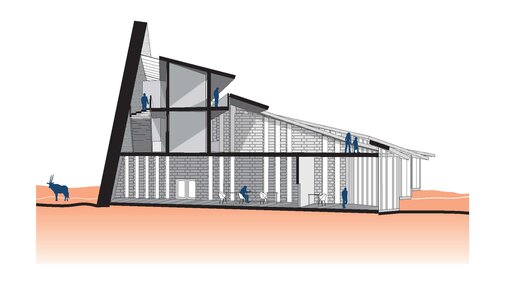
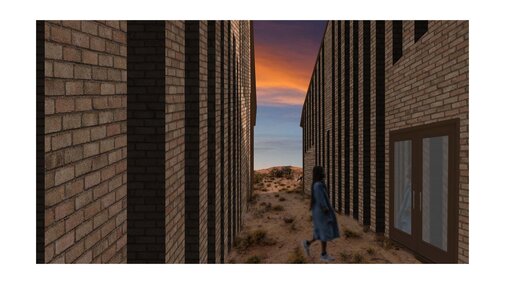
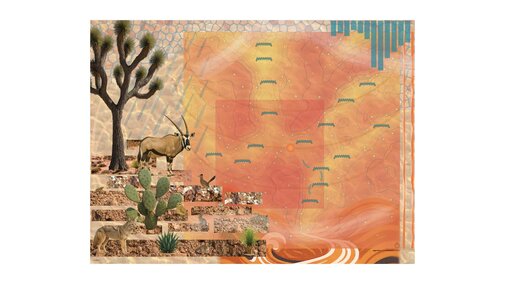
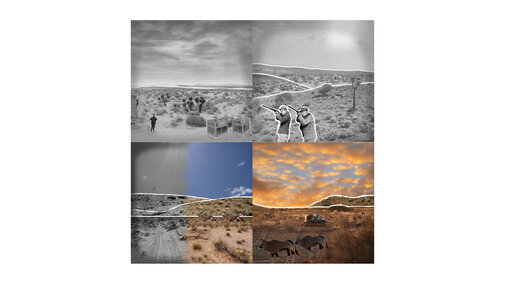
This research center was inspired by the story of the African Oryx — removed from its native habitat, hunted for sport and ultimately left to survive in a harsh desert environment while populations in Africa declined. The building responds directly to its surroundings, oriented to capture prevailing winds, maximize daylight and minimize exposure to intense desert sun. Constructed with mud clay brick, timber and a massive thermal wall, the design helps maintain comfortable interior conditions in an extreme climate.
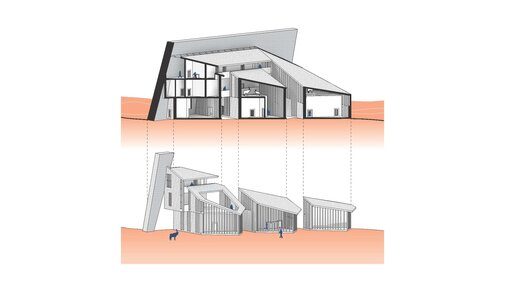
Three research labs connect to housing for researchers above, while the Oryx Outlook and public laboratory spaces invite visitors to engage with both the landscape and ongoing conservation efforts. From its siting to its material palette, every design decision reflects the desert ecosystem and the remarkable resilience of the Oryx.
BWBR Prize 2025