The History-Theory track examines architecture as a critical cultural discourse, revealing the complex interplay between social and political forces and the built environment. Merging design knowledge with critical inquiry, students investigate topics from vernacular modernities to ephemeral architectures through writing, curating, and design. Guided by faculty expertise in historiography, cultural theory, and architectural imagination and representation, the program equips students to use critical thinking as a driving force for careers in humanistic design, historical preservation, publishing, curatorial practice, and academic scholarship
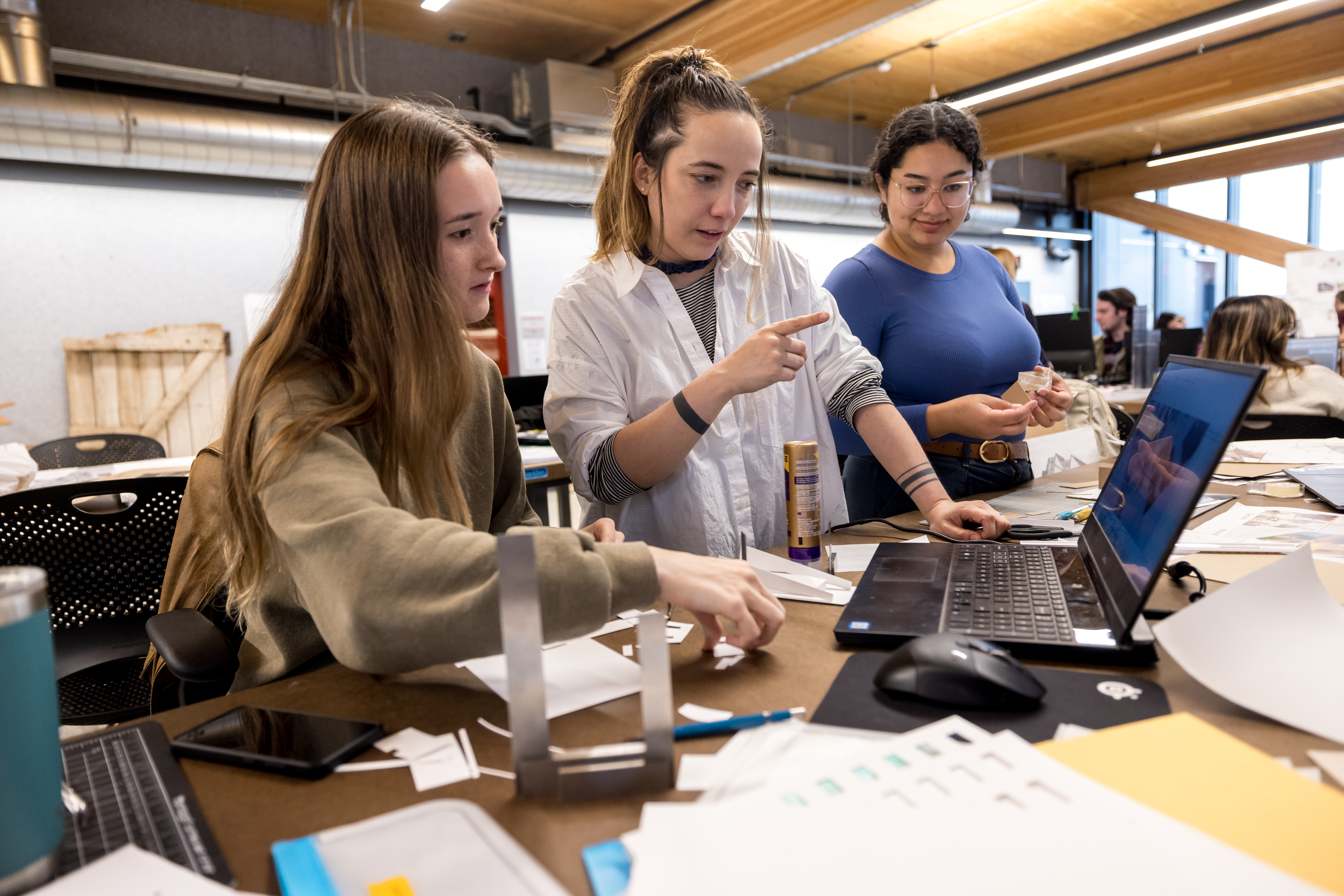
Track Collaborators


How We Approach History/Theory
Faculty in architectural history and theory explore what happens to buildings and communities when places change over time. Their work examines abandoned buildings, temporary structures and sites facing demolition, asking how architecture can preserve memory, culture and history while creating new possibilities for the future.
Through research and design, faculty and students use collage, drawing and hands-on experimentation to rethink existing buildings and materials in creative ways. Inspired by artists, architects and vernacular traditions from around the world, this work explores how pieces of old structures can be reused and transformed into something new.
In the classroom, students are encouraged to connect history, art and design through making. Studios and seminars invite students to experiment with collage, installations, archival research and mixed-media projects while exploring how architecture shapes people and places.
For example, Camila Mancilla is developing projects such as the CYRUS Project in Waco, Nebraska, which brings together preservation, music and visual art to reimagine rural buildings facing demolition and explore new possibilities for small-town spaces across the Great Plains.
Faculty Work
CUT CAMI
Learn More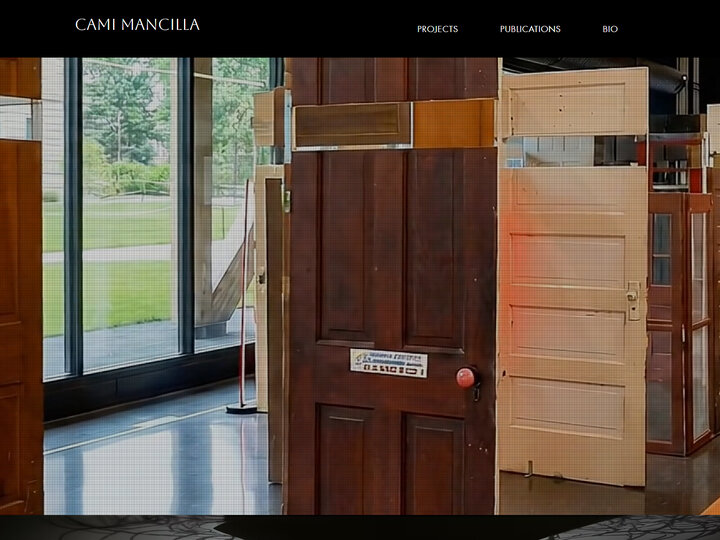
Student Work
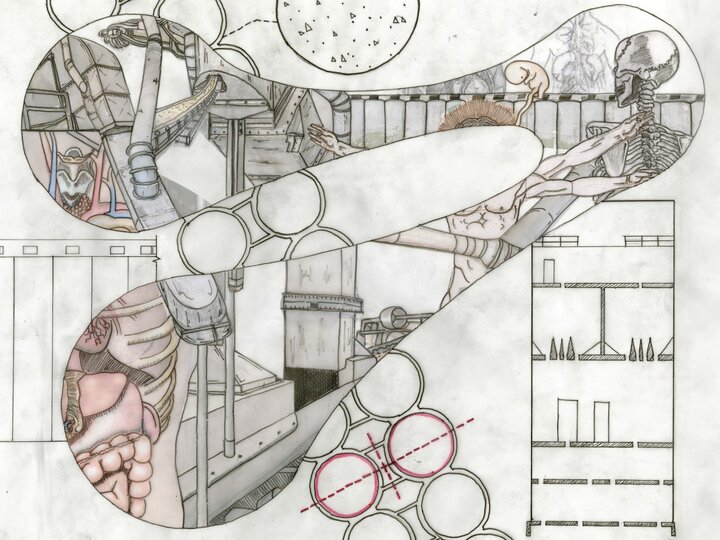

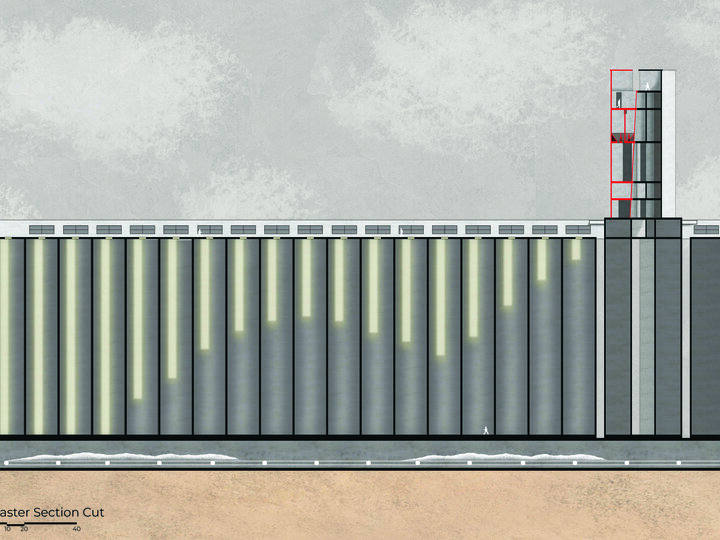
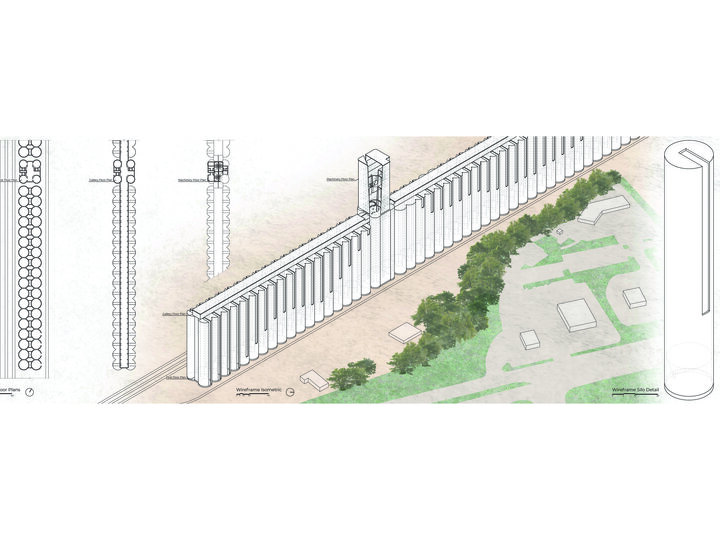
Scholarly Work
"Sharp Shadows: Cutting an Architectural Treatise.”
Mancilla Vera, C. “Sharp Shadows: Cutting an Architectural Treatise.” In Finishing in Architecture, ed. Paul Emmons, et al. New York: Routledge, 2026. DOI: 10.4324/9781032722481-7
"The End: Matta-Clark’s South American Cut"
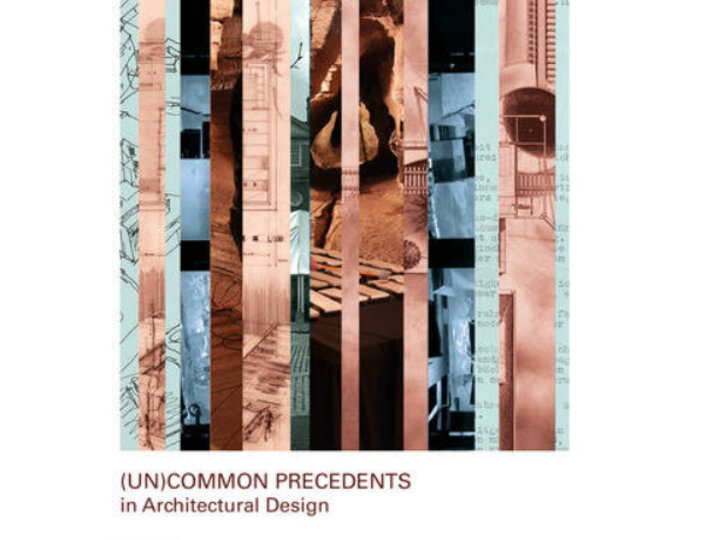
Mancilla Vera, C. “The End: Matta-Clark’s South American Cut.” In (Un)Common Precedents in Architectural Design, ed. Federica Goffi, et al. New York: Routledge.
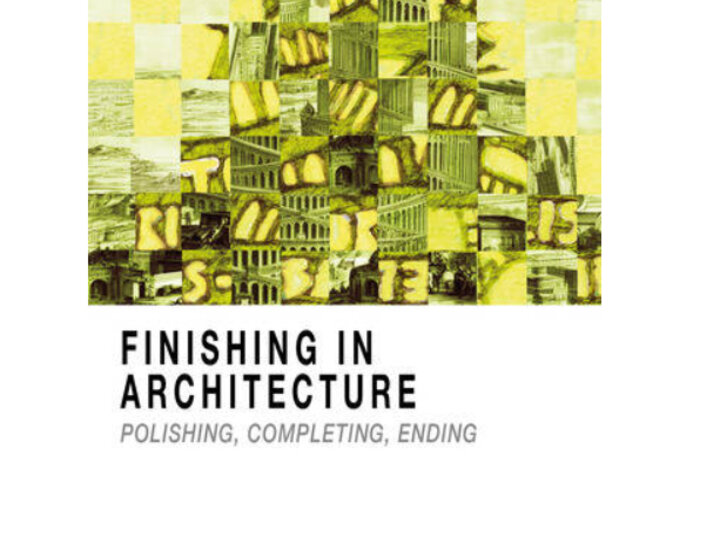
Associate Editor & Curator. "Finishing in Architecture: Polishing, Completing, Ending"
Associate Editor & Curator. Finishing in Architecture: Polishing, Completing, Ending. New York: Routledge, 2025. DOI: 10.4324/9781032722481
Collaborations & Affiliations
- External Mentor: Prof. Jorge Otero-Pailos, Director,
- Historic Preservation Program, Columbia GSAPP
- Estate Gordon Matta-Clark
- Latin New Wave
- Lied Center for Performing Arts — Lincoln, Nebraska