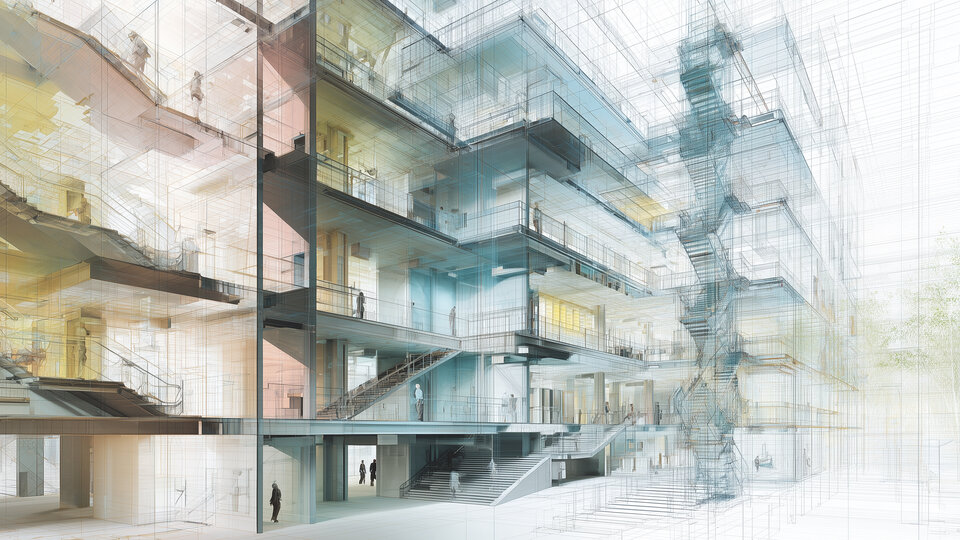
Spatial Intelligence Design explores how architecture can think, sense, and respond through the creative use of data, computation, and human insight. It blends technological, artistic, and humanistic approaches to uncover new relationships among performance, experience, and form. By cultivating this expanded intelligence, designers can create built environments that are adaptive, culturally expressive, and responsive to both human and ecological needs.
Spatial Intelligence Design Faculty
How We Approach Spatial Intelligence Design
The Spatial Intelligence Design track explores how data, intelligence and design thinking intersect to transform the built environment and our cultural imagination of space. In this track, computation is not simply a tool for efficiency but a medium for critical inquiry, artistic exploration and humanistic reflection. Students engage with advanced computational methods while also considering how such methods shape meaning, perception and social experience. The curriculum encourages dialogue between the quantitative and the qualitative, the analytical and the expressive—positioning design as both a technical and cultural practice. Graduates emerge prepared to lead in technologically advanced and critically informed approaches to architectural design that bridge science, art and the humanities.
Faculty Work
AI + EDL
Learn More
Student Work
ARCH 491/592
ARCH 510/610

ARCH 510/610

ARCH 613: THESIS

ARCH 613: THESIS

ARCH 613: THESIS

Scholarly Work

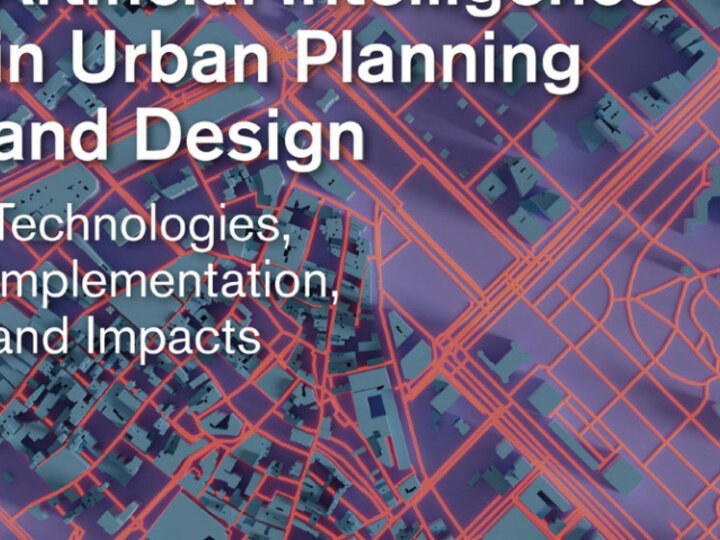
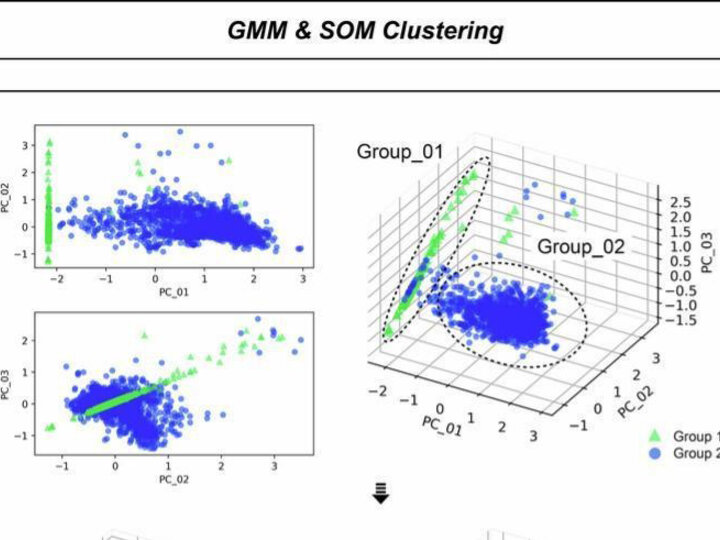
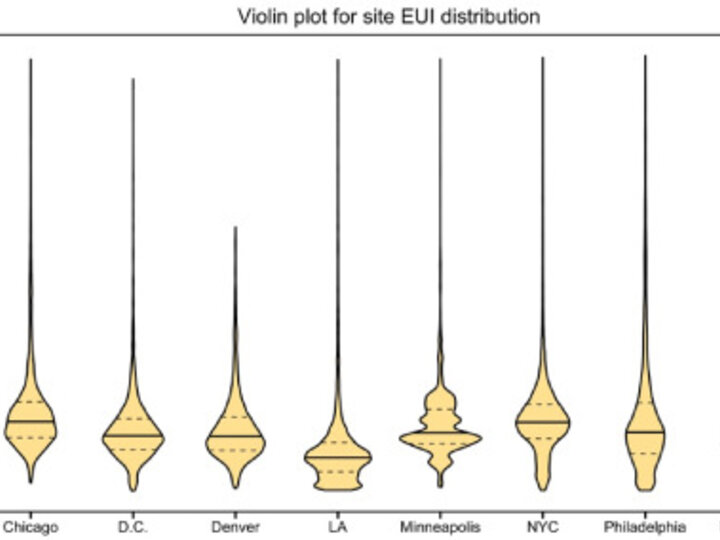
body2
Collaborations & Affiliations
We maintain active engagements through multiple modes:
- Research Affiliations — We collaborate with other researchers and university centers nationally and internationally.
Visiting Practitioners & AE Firms — We invite practitioners (architects, engineers, and consultants) to collaborate on research and give guest lectures, co-critique, and mentor student work.
- Industry and Community Projects — Our research and teaching involves collaboration with industry and community partners (e.g. municipal agencies, non-profits, civic groups) that provide real-world context.
- Open Tool & Dataset Sharing — We publish open source toolkits, datasets, and generative workflows to a broader community to foster shared growth.
- Interdisciplinary Partnerships — We partner with researchers that span across the sciences, arts, and humanities to strengthen cross-disciplinary exchange.
Faculty News
AI-Driven Dual-Scale Building Energy Research
David Newton Serves as Issue Editor

AI-driven multi-algorithm optimization research
Newton Partners with Industry